



Nordic Disability Tech
Summit 2026
How can we ensure that the AI of the future is inclusive, fair, and accessible to everyone?
November 2, 2026 · 11:00 – 16:30 · D15, Copenhagen
A Nordic-Baltic Hub for Inclusive AI
On November 2, the Nordic Disability Tech Summit will bring together people with disabilities, government agencies, researchers, organizations, and technology stakeholders from across the Nordic and Baltic regions.
AI is becoming an increasingly integral part of our public services, work life, education, and daily lives. This creates new opportunities – but at the same time raises new demands regarding accessibility, rights, accountability, and inclusion.
At the Nordic Disability Tech Summit 2026, we’ll bring together different perspectives and explore what specifically needs to be done
Nordic Disability Tech Summit 2026
Our summit features presentations, dialogue, workshops, networking, and examples of technology and solutions.
During the event, you will have the opportunity to:
- Gain new perspectives on the opportunities and risks of AI
- Hear about experiences from across the Nordic and Baltic regions
- Meet stakeholders across sectors and countries
- Contribute to the dialogue on concrete Nordic recommendations
- Explore technology, methods, and solutions focused on accessibility and participation
- Help shape the direction of future Nordic-Baltic cooperation
- A core principle
The Programme
11.00 - 11.30
Arrival, Registration, and Coffee
Arrival, Registration, and Coffee
11.30 - 11.35
Welcome to the Nordic Disability Tech Summit 2026
Welcome to the Nordic Disability Tech Summit 2026
Moderator Malin Hammarberg sets the scene for the day and for the Nordic-Baltic ambition for inclusive, fair and accessible AI.
11.35 - 11.45
Opening Keynote
Opening Keynote
Monika Rubin, Minister for Social Affairs and Minister for Nordic Cooperation in Denmark opens the summit
11.45 - 11.50
Welcome to Copenhagen
Welcome to Copenhagen
Andreas Keil, Mayor for Employment, Integration and Business, welcomes you to Copenhagen
11.50 - 11.55
A Shared Nordic Ambition
A Shared Nordic Ambition
We are pleased to share a video message from Karen Ellemann, Secretary General of the Nordic Council of Ministers. Although she is unable to be with us in person today, she has kindly taken the opportunity to share the Nordic Council of Ministers’ vision with us.
11.55 - 12.15
From Adaptation to Agency: I Let the Machines Take Over to Take Control of My Life
From Adaptation to Agency: I Let the Machines Take Over to Take Control of My Life
Who decides how much privacy a person with a disability should give up for independence? World record holding Paralympian, entrepreneur and former MEP David Lega lets the machines take over so he can take control of his own life. The same technology that gives him freedom also raises hard questions about data, trust and consent, and too often those decisions are made for people with disabilities rather than by them. David argues that autonomy includes the right to choose, and that accessibility should be an engine for human ambition, not just a baseline necessity.
12.15 - 12.30
Developing Inclusive and Responsible Technologies in the Age of AI
Developing Inclusive and Responsible Technologies in the Age of AI
In light of the rapid advances in artificial intelligence today, we are exploring – together with Nitin Sawhney, an interdisciplinary researcher and ethosCollective.ai lecturer at the University of Helsinki and Uniarts Helsinki – how we can harness the benefits of AI whilst ensuring an inclusive and responsible design of technologies for all. Current AI-based systems pose many critical risks that hit the most vulnerable members of society particularly hard. How do we design AI technologies that are responsible, ethical and inclusive?
12.30 - 12.35
Key Takeaways from the Morning Programme
Key Takeaways from the Morning Programme
Moderator Malin Hammaberg summarises the key points from this morning.
12.35 - 13.20
Lunch, Networking and Tech Exhibition
Lunch, Networking and Tech Exhibition
Meet participants from across the Nordic and Baltic regions and discover examples of technology and solutions focused on accessibility and participation. You will have the chance to meet StutterTech, Cliarly, Meta, Siteimprove, Mobilize Me, and experience VR solutions from DTU Skylab.
13.20 - 13.45
Navigating the Frontiers of Inclusive Tech: AI, Smart Glasses, and Big Tech Partnerships
Navigating the Frontiers of Inclusive Tech: AI, Smart Glasses, and Big Tech Partnerships
What’s possible – and what’s at stake – when essential accessibility tools and mainstream consumer products become the same thing? Hans Jørgen Wiberg (Founder, Be My Eyes) and Maxine Williams (Vice President of Accessibility, Meta) go behind the scenes of their partnership, look at the opportunities it has opened up and take on the tough questions directly. Smart glasses and AI are giving blind and low vision people and other disability communities new ways to navigate, read and get things done independently. They also raise real questions: How do we protect the privacy of users and the people around them while expanding that autonomy? Together, Wiberg and Williams explore what’s working today, what’s coming next and what it takes to build AI that people with disabilities can trust in everyday life.
13.45 - 14.00
Improbable People - Who Gets Excluded when AI Decides Who Fits?
Improbable People - Who Gets Excluded when AI Decides Who Fits?
The foundation of AI is statistical models. What does this mean for those of us who won’t fit the normative standards on functionality? Those of us who are a few standard deviations from the mean, in the tails of the normal distribution? Charlotte Ovesson from Inclusive Insights will share what happens when AI systems decide who fits, who qualifies and who will have their needs met we need to talk about diversity and inclusion. In this talk she will focus on the statistical foundations of AI and why this is a matter of equality and fundamental rights.
14.00 - 14.15
From Myth to Machine - Who does AI Work for?
From Myth to Machine - Who does AI Work for?
Long before AI became part of everyday life, people imagined what intelligent technology could make possible. Tobias Nyhuus Jensen, Denmark’s National Expert for AccessibleEU, brings that imagination into the present and explores what our choices today could mean for participation in Europe and the Nordics.
14.15 - 14.30
Break
Break
Take a short break and use the time to meet exhibitors from across the Nordic and Baltic regions and discover examples of technology and solutions focused on accessibility and participation. You will have the chance to meet StutterTech, Cliarly, Meta, Siteimprove, Mobilize Me, and experience VR solutions from DTU Skylab.
14.30 - 14.50
What do we hear across the Nordic Countries?
What do we hear across the Nordic Countries?
Jakob Sørensen from Danish Entrepreneurs and Rasmus Duus from the Knowledge Centre on Disability share the key cross-cutting insights from the five workshops held throughout the autumn, along with the preliminary recommendations.
14.50 - 15.40
Workshops
Workshops
We take a closer look at key issues such as accessibility, rights, participation, AI in everyday life and responsible implementation.
15.40 - 15.50
Break
Break
Take a short break and use the time to meet exhibitors from across the Nordic and Baltic regions and discover examples of technology and solutions focused on accessibility and participation. You will have the chance to meet StutterTech, Cliarly, Meta, Siteimprove, Mobilize Me, and experience VR solutions from DTU Skylab.
15.50 - 16.30
Political Dialogue: From Nordic Ambition to Nordic Action
Political Dialogue: From Nordic Ambition to Nordic Action
We bring together today’s key perspectives and look to the future: what will it take to turn the ambitions for inclusive, fair and accessible AI into concrete action?
Ministers:
- Minister of Social Security for Finland, Karoliina Partanen
- Minister for Older People and Social Security for Sweden, Anna Tenje
- Minister of Social Affairs and Health for the Åland Islands, Arsim Zekaj
16.30 - 16.35
Thanks for today!
Thanks for today!
We’d like to say thank you for today and summarise the main key takeaways from the whole day.
Speakers Nordic Disability Tech Summit 2026
Monika Rubin
Minister of Social Affairs and Minister for Nordic Cooperation for Denmark
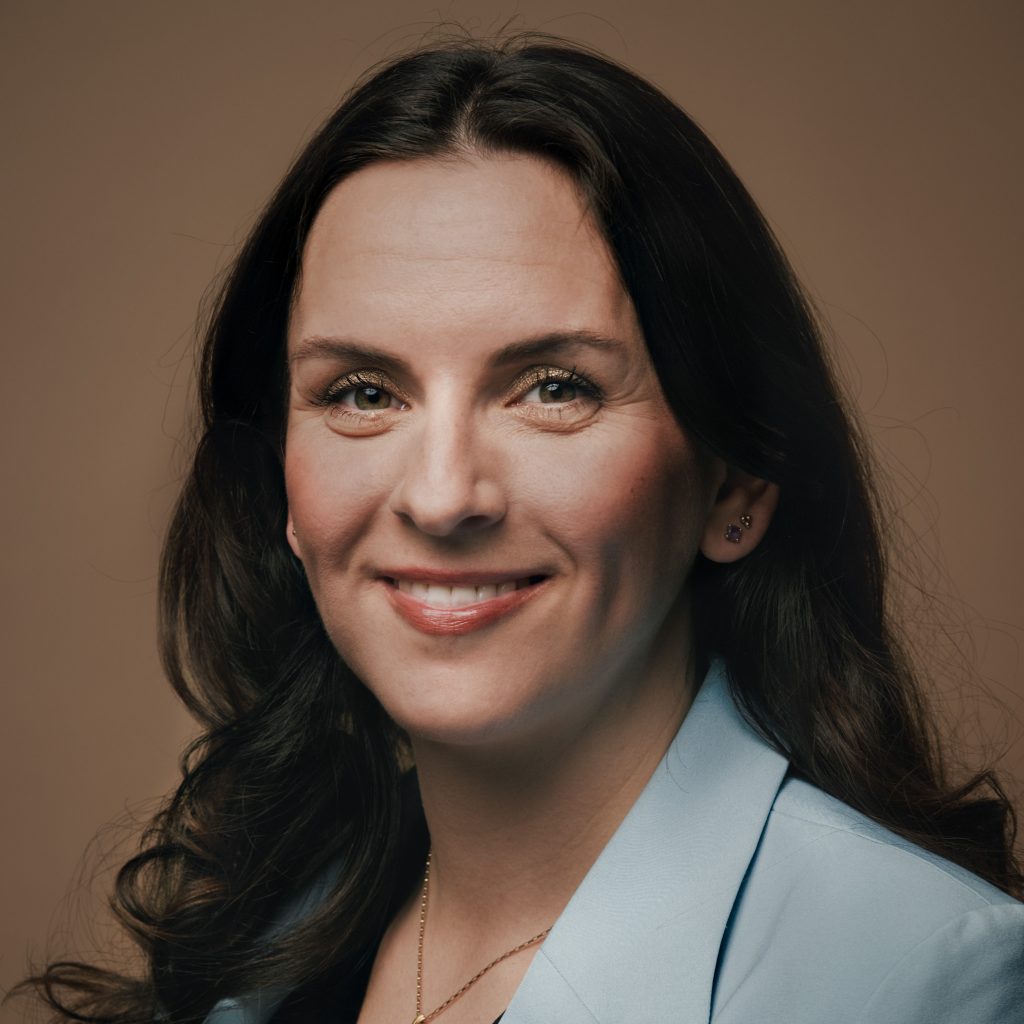
Monika Rubin is Denmark’s Minister of Social Affairs and Minister for Nordic Cooperation, a position she has held since June 2026. She has been a Member of the Danish Parliament for the Moderates since 2022, serving as the party’s health spokesperson and political spokesperson. With a background in medicine and a Ph.D. in Health Sciences from the University of Copenhagen, she brings clinical and research experience to her political work. Before entering parliament, she worked as a physician, researcher and lecturer in medical education.
Anna Tenje
Minister for Older People and Social Security for Sweden
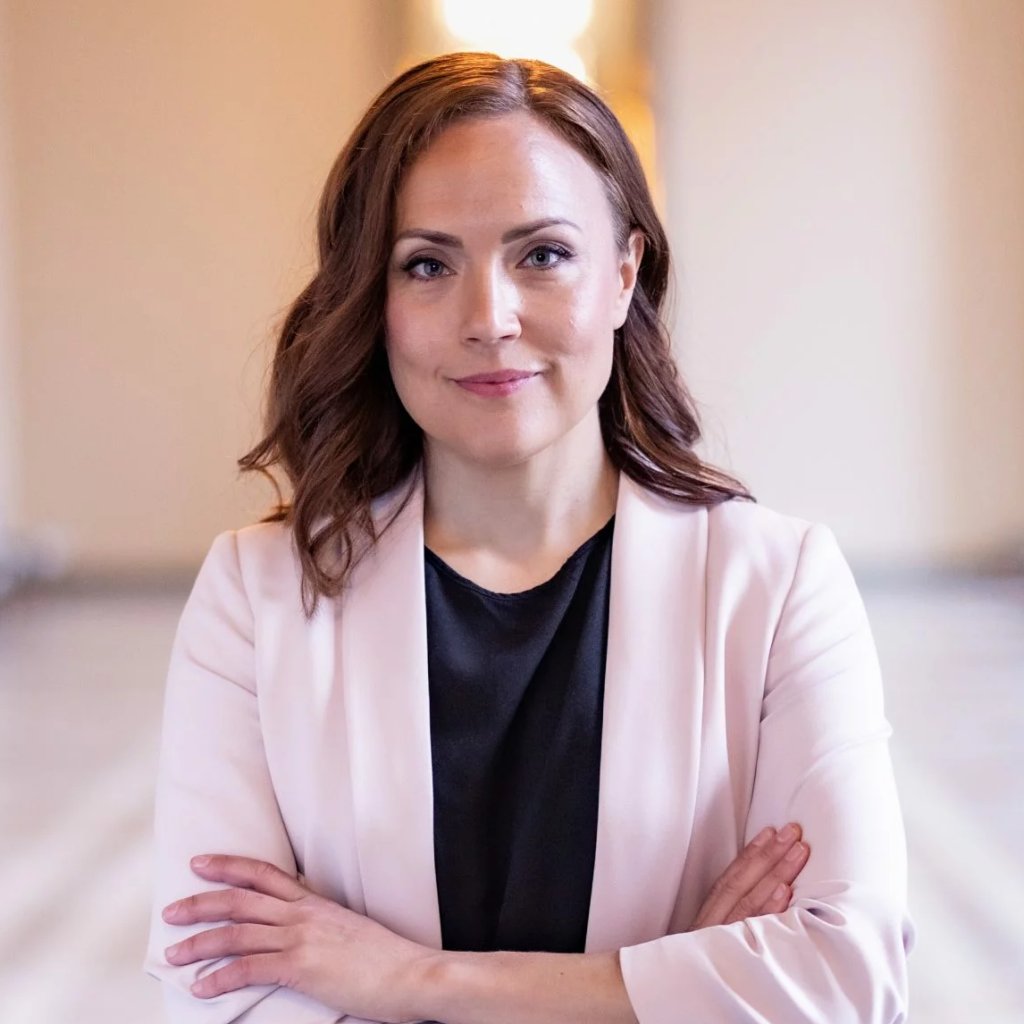
Karoliina Partanen
Minister of Social Security for Finland
Partanen has served as deputy chair of the National Coalition Party since 2024. In Parliament she has been member of the Constitutional Law Committee and the Employment and Equality Committee and deputy member of the Legal Affairs Committee. She has also served as chair of the Council for Gender Equality, the UN Association of Finland and Parliament’s Friends of the UN group, member of the Supervisory Board of Veikkaus and member of the High Court of Impeachment. Partanen is Councillor of the City of Kuopio and member of the County Council of the North Savo Wellbeing Services County.
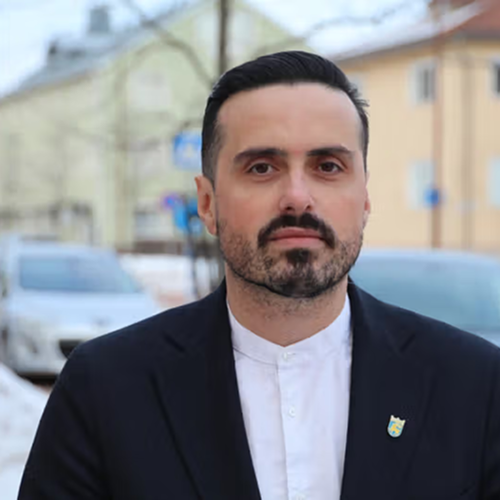
Arsim Zekaj
Minister of Health and Social Affairs, Åland Social Democrats
Arsim Zekaj is an Ålandic politician representing the Åland Social Democrats who has served as the Minister of Social Affairs and Health in the Government of Åland since December 2023. Born in Kosovo and raised in Sweden, he moved to Åland in 2017 and is the first minister in the regional government born outside the Nordic region. Before his ministerial appointment, he worked in municipal administration as the director of Eckerö municipality and later headed the residential care association Oasen. He holds an academic background in Society and Cultural Analysis as well as Leadership Development, combining administrative management with public health policy.
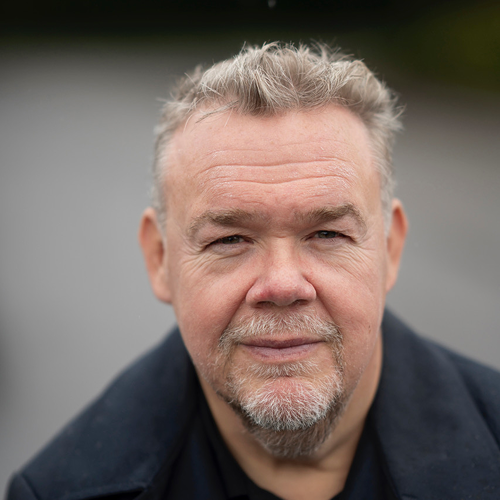
David Lega
Former Member of the European Parliament (MEP) and Paralympic swimmer
David Lega is a former Paralympic swimmer who set 14 world records and won multiple World Championship medals. He is a former Member of the European Parliament and former Deputy Mayor of Gothenburg, and today serves as Secretary General of the European Jewish Association. He is also the founder of ADfitness, which makes gyms accessible through affordable adaptive products, and a motivational speaker on ambition, resilience and technology.
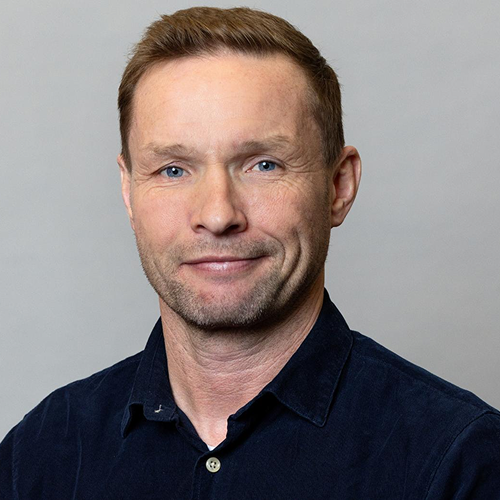
Andreas Keil
Mayor of Employment, Integration and Business, City of Copenhagen
As Mayor of Employment, Integration and Business, Andreas Keil leads Copenhagen’s work on employment, integration and business development. He oversees efforts to help residents access jobs and education, support those outside the labour market, and strengthen the city’s business environment. At the Nordic Disability Tech Summit, he brings a municipal perspective on creating pathways into working life and connecting public services with businesses – areas central to turning technological innovation into greater participation and autonomy for people with disabilities.
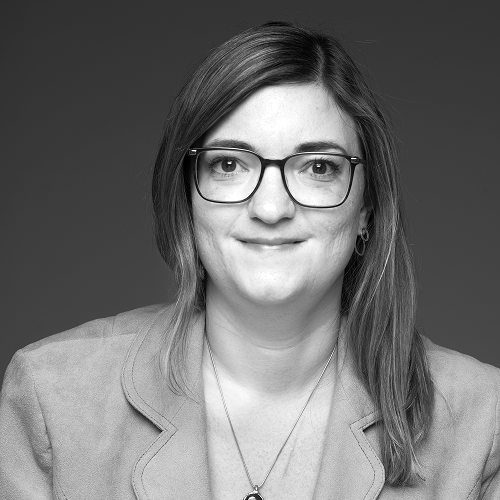
Charlotte Ovesson
Sociologist and Statistician, Inclusive Insights
Charlotte Ovesson is a Swedish sociologist and statistician, DEI expert, disability rights advocate and founder of Inclusive Insights. She works towards ethical and safe AI systems that don’t discriminate or harm marginalised groups. Charlotte is a member of the Swedish Institute for Standards’ AI committee and involved in EU committees developing harmonised standards for AI, where she represents Disability Rights Federation Sweden and focuses on bias in AI systems.
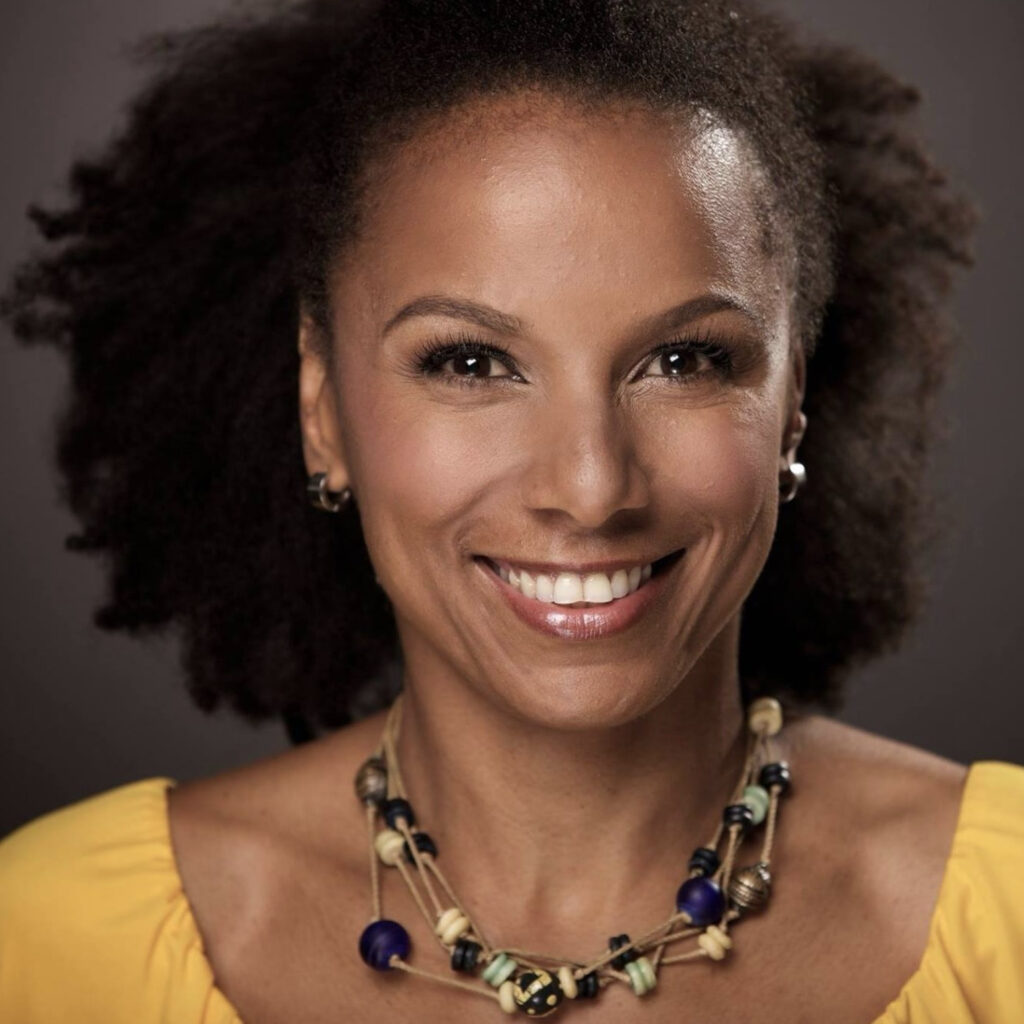
Maxine Williams
VP of Accessibility, Meta
Maxine Williams is the Vice President of Accessibility at Meta, where she is part of the Global External Affairs team. Her mandate spans product and policy as she works to ensure Meta’s products are accessible, valuable, and usable for everyone, regardless of abilities. Maxine works closely with product, engineering, design, and policy teams to prioritize accessibility across Meta’s products and services, and maintains relationships with the disability community to ensure their needs and expectations are met.

Hans Jørgen Wiberg
Founder, Be My Eyes
Hans Jørgen Wiberg is the founder of Be My Eyes, a free mobile app launched in 2015 with the aim of making the world more accessible to blind and visually impaired people. With Be My Eyes, you can call a sighted volunteer, get help from an artificial intelligence system trained using the experiences of blind people, and contact businesses and organisations via Service Connect.
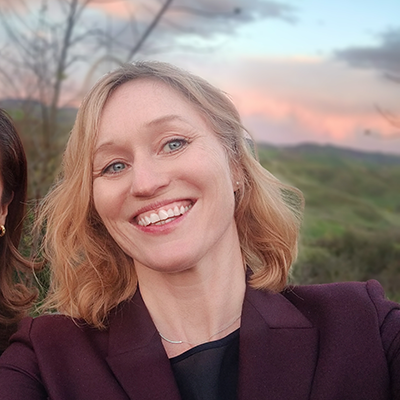
Malin Hammarberg
Senior UX Designer and Accessibility Specialist at Stiftelsen Funka
Malin Hammarberg has over a decade of experience in digital accessibility and UX design. She holds a CPWA certification from IAAP and serves on the IAAP Nordic Advisory Council and Global Ethics Committee. She is also part of a group of accessibility experts working to improve the understanding and application of the European accessibility standard EN 301 549. Her work spans accessibility auditing, training, standards and research, with clients including the European Parliament and European Disability Forum.
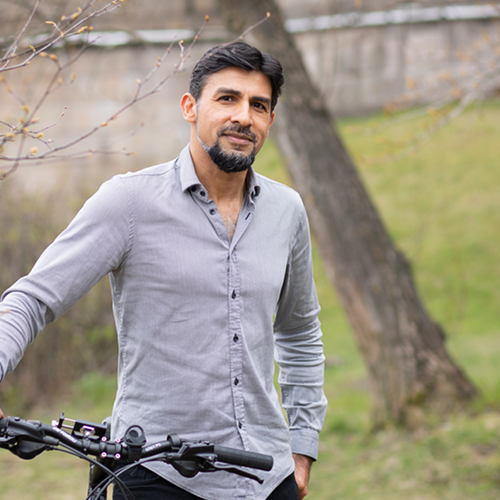
Nitin Sawhney
Docent in Computer Science at the University of Helsinki
Nitin Sawhney is a Docent in Computer Science at the University of Helsinki and leads research on Inclusive, Responsible and Human-Centered AI in the Public Interest. At Aalto University, he established the CRAI-CIS research group, focusing on responsible AI, Human-Computer Interaction and computational social science. He co-founded the Global AI Policy Research Network and is affiliated with the Finnish Center for Artificial Intelligence. His work spans AI, civic media, speech and audio interaction, wearable computing and documentary filmmaking.
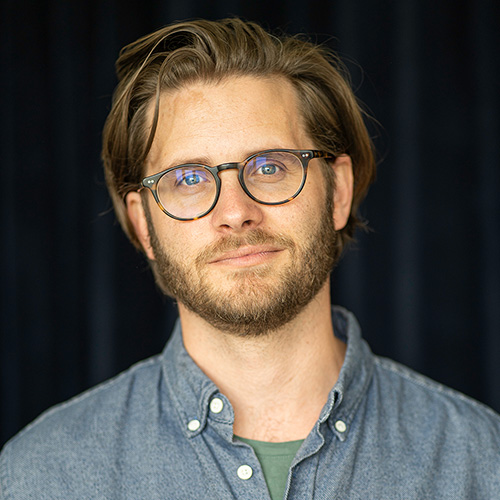
Tobias Nyhuus Jensen
Denmark’s National Expert for AccessibleEU
Tobias Nyhuus Jensen is Denmark’s National Expert in digital accessibility for the European Commission’s AccessibleEU initiative, where he supports the implementation and awareness of accessibility across Europe. He also serves as Co-Chair of the Nordic Accessibility Community Group within the World Wide Web Consortium (W3C), fostering collaboration and knowledge-sharing across the Nordic region. In his role as Principal Accessibility Program Lead at Siteimprove, Tobias drives accessibility strategy and product inclusion, helping teams build digital experiences that work for everyone.
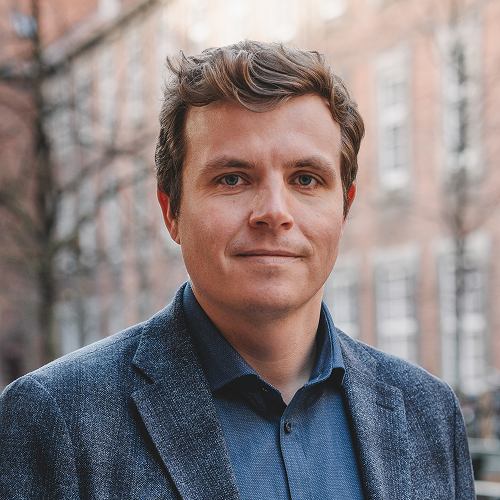
Jakob Sørensen
Senior Advisor to the Danish Entrepreneurs’ Disability-Tech Task Force
Jakob Sørensen serves as a senior advisor at Danske Iværksættere. Over the past 17 years, he has held leadership roles across civil society and the business sector. Since 2021, he has spearheaded a number of major Danish and Nordic development projects at the intersection of technology, people, and society. As project manager at the Mandag Morgen think tank, he led the establishment of the major grant-funded project “Algorithms, Data, and Democracy.” Most recently, he has played a central role in establishing the joint Nordic AI center, NewNordics AI. Jakob was also one of the founders of Disability Tech Denmark and has provided advisory support to the Alliance since its inception.
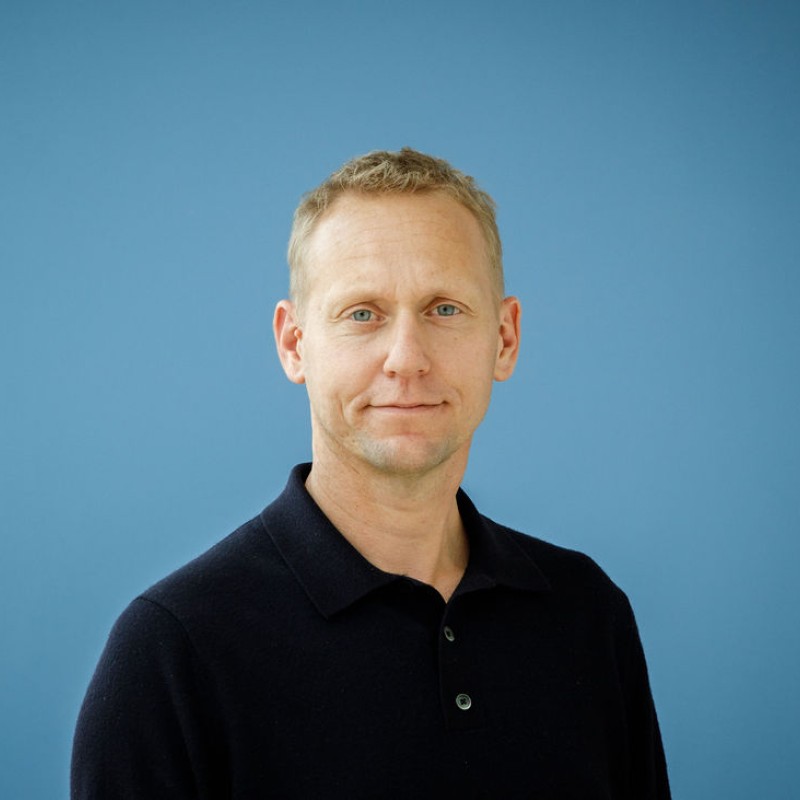
Rasmus Duus
Acting Director, Knowledge Centre on Disability
Rasmus Duus has nearly 15 years of experience in employment policy and practice. His work is shaped by his experience as a leader and employer, where he saw how effective collaboration between businesses and municipalities can create new pathways into employment for people facing barriers in the labour market. In recent years, Rasmus has focused particularly on active employment policy and support for people further from the labour market. He has extensive experience developing and communicating employment policy and practice through collaboration with job centres, employers, organisations and policymakers.
From a shared ambition to concrete action
The Nordic Disability Tech Summit 2026 marks the culmination of the project ‘A Nordic Pathway to Inclusive, Fair and Accessible AI’, carried out by Disability Tech Denmark with support from the Nordic Council of Ministers.
The project is based on the joint Nordic-Baltic ministerial declaration on inclusive, fair and accessible AI.
Through five workshops, interviews and research, the project brings together perspectives from across the Nordic and Baltic regions. The insights are compiled into a comprehensive Nordic insight brief and concrete recommendations designed to support the more inclusive development and use of AI.
At the summit, the key insights and recommendations will be presented and discussed – with a focus on how they can be translated into action across countries and sectors.

Working together towards a more inclusive future
The Nordic Disability Tech Summit brings together organisations and partners working in the fields of technology, accessibility, disability, welfare and innovation.








Meet Our Exhibitors
Meta
Meta will showcase its AI glasses, including Meta Ray-Ban Display glasses and Meta Glasses. You can try them on and experience hands-free AI assistance, audio, live translation and on-lens information. Explore how AI glasses can support accessibility and everyday independence for people with different needs, as well as professionals, researchers and others interested in assistive technology.
Mobilize Me
Mobilize Me offers digital solutions that help individuals create structure, overview and predictability in everyday life. Through tools such as Mobilize Me, PlaNet and LiMo, it supports families, educational services and care providers in meeting individual needs. By combining visual structure and clear planning, its solutions help users build greater independence, confidence and control in their daily lives.
Cliarly
Cliarly is a modern reading and writing tool designed for people with dyslexia and other reading and writing difficulties. Inspired by founder Jakob’s own experience with dyslexia, it aims to make assistive technology a natural part of everyday life, helping users overcome written barriers and approach reading and writing with greater confidence and independence.
DTU Skylab
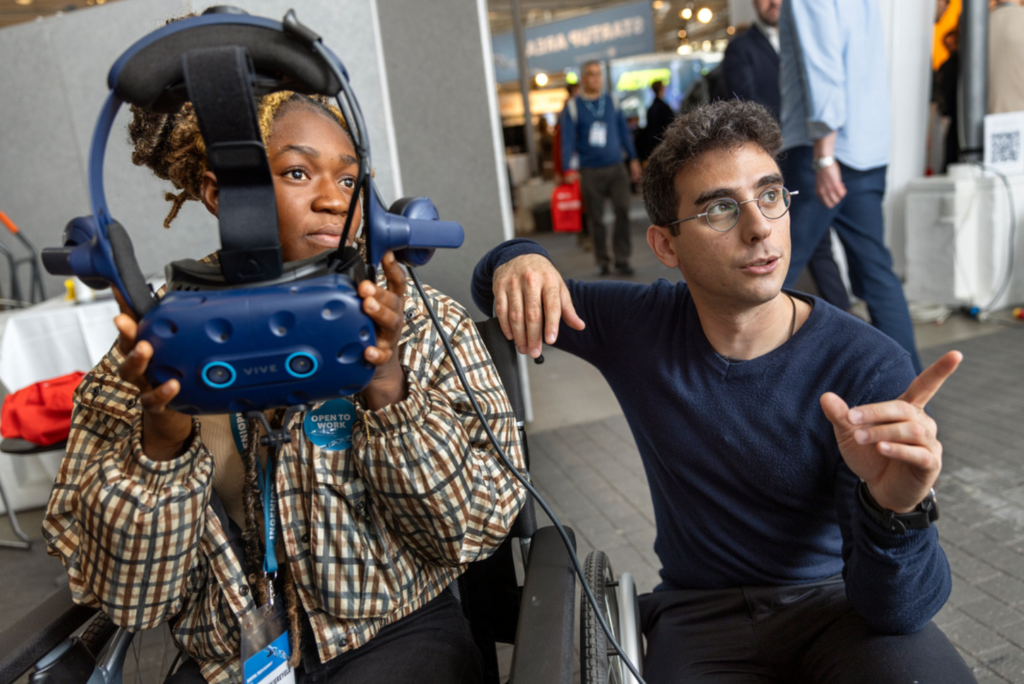
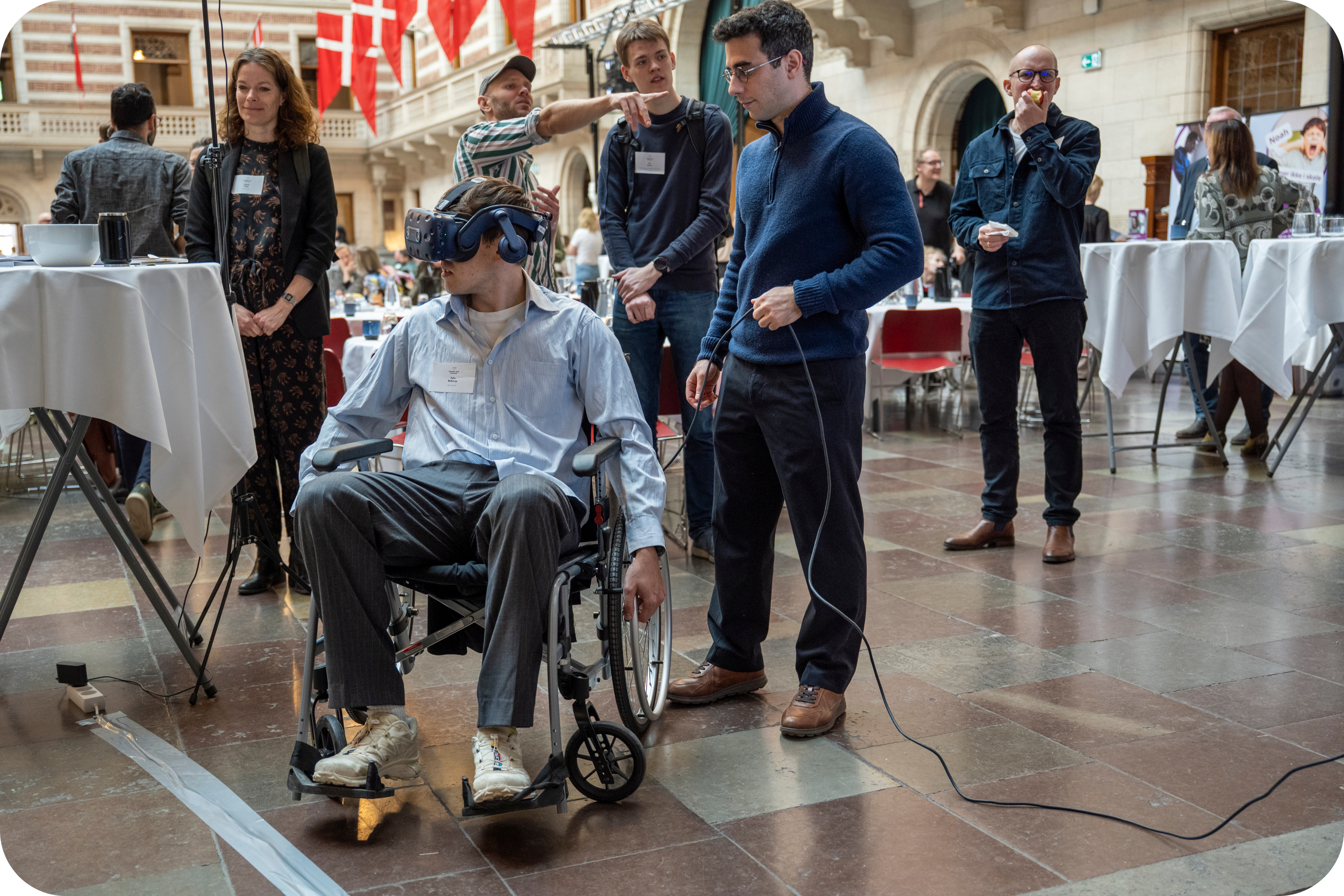
DTU Skylab will present two virtual reality experiences exploring accessibility and disability. Ability VR Market lets users experience supermarket tasks with simulated ability constraints, including reduced mobility and blindness. The Wheelchair VR Simulator allows participants to explore built environments from a wheelchair user’s perspective, highlighting accessibility challenges and the importance of inclusive design.
Siteimprove
Siteimprove is an innovative digital platform that helps organizations make their websites and digital content more accessible. Through accessibility monitoring, practical insights and guidance, it helps teams identify barriers and improve digital experiences, creating more inclusive online spaces where people with different abilities can access and navigate information more independently.

StutterTech
StutterTech is an innovative digital health solution supporting people who stutter by combining digital speech tools with cognitive and emotional support. Beyond traditional speech exercises, it helps users build confidence, self-acceptance and resilience, reduce speaking anxiety, and embrace their voice to communicate more confidently.
Tobii Dynavox
Tobii Dynavox will showcase the TD I-Series and TD Navio, assistive technology products featuring world-leading eye gaze-enabled communication solutions designed to support people with complex communication needs. They will also present their digital neural voices technology, enabling highly natural and personalised speech experiences.
EA Consulting
EA Consulting will showcase AccessSlice, a free, open-source tool developed by Edis Adilovic with AI assistance to make 3D printing accessible to blind and visually impaired users. Experience live demonstrations, explore tactile 3D-printed objects and discover how screen readers enable users to prepare and manage 3D prints independently, breaking down barriers through accessible technology.